

Introduction
If you’re searching for the best white label telemedicine 2026 platforms, you’re not alone. The telehealth market has exploded — and in 2026, healthcare providers are no longer asking whether to go digital, but how fast they can get there. With patient expectations at an all-time high and chronic disease management becoming a top clinical priority, white label telemedicine solutions have become the strategic backbone for thousands of practices worldwide.
White label telemedicine simply means a ready-built virtual care platform that you brand as your own — your logo, your colors, your domain — without spending 18 months and half a million dollars building it from scratch. For independent practices, hospital systems, and specialty clinics alike, this model offers an accelerated path to delivering care online, improving patient retention, and opening new revenue streams.
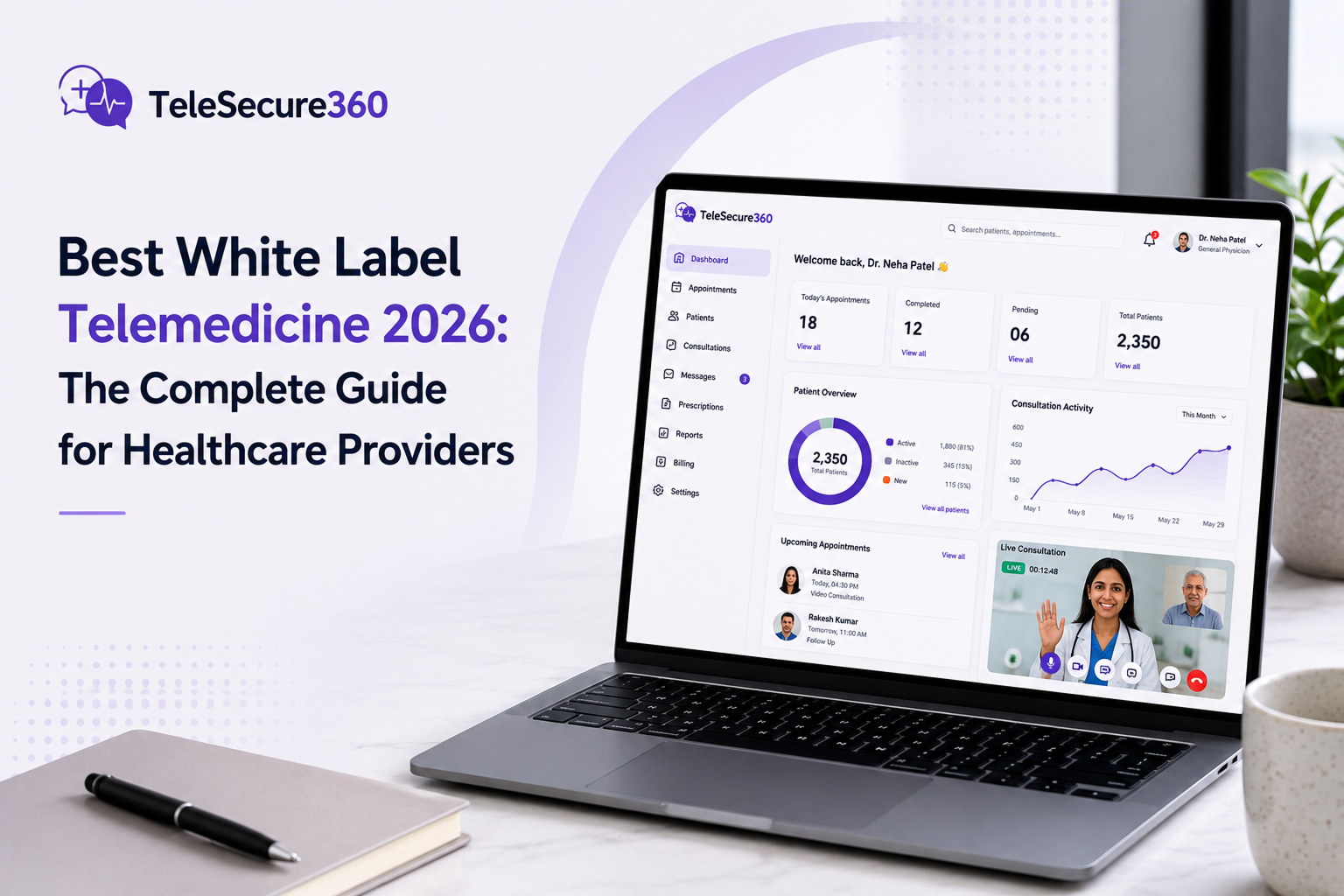
In this guide, I’m breaking down what makes a white label telemedicine platform worth investing in, what to watch out for, and why TeleSecure360 stands out as one of the most purpose-built solutions available in 2026.
What Is White Label Telemedicine — and Why Does It Matter in 2026?

White label telemedicine is a Software-as-a-Service (SaaS) model where a technology vendor develops a fully functional telehealth platform and licenses it to healthcare organizations under their own brand identity.
In plain terms: You get a working, compliant, patient-ready telehealth product — branded as if you built it yourself.
This matters more in 2026 than ever before because:
- Patients expect digital-first healthcare. Post-pandemic behavior has permanently shifted. Patients routinely expect to book appointments, message their doctor, and access lab results from a smartphone.
- Regulatory pressure is real. HIPAA, state telehealth laws, and CMS billing rules are constantly evolving. A quality white label platform absorbs that compliance burden on your behalf.
- Chronic disease volume is surging. The CDC estimates that 6 in 10 adults in the US have at least one chronic condition. These patients need consistent, ongoing engagement — not just episodic clinic visits.
- Staff and infrastructure costs are rising. Virtual care delivered through a white label platform reduces overhead without reducing care quality.
Key Features to Look for in the Best White Label Telemedicine Platforms (2026)

Not all telehealth platforms are created equal. Here’s what separates the top-tier solutions from the also-rans:
1. Custom Branding and White Labeling Depth
True white labeling goes beyond slapping your logo on a login screen. The best platforms offer:
- Custom domain (yourbrand.com, not vendor.app/yourbrand)
- Branded patient-facing web and mobile apps (iOS + Android)
- Customizable email and SMS notifications
- Branded patient portal with your practice’s color scheme and typography
If the vendor’s name shows up anywhere your patient can see it, it’s not fully white labeled.
2. HIPAA-Compliant Video Consultations
This is non-negotiable. Every platform on this list must offer end-to-end encrypted video calls with Business Associate Agreements (BAAs). Look for:
- 256-bit AES encryption
- Automatic session timeout
- Audit logs for every consultation
- No PHI stored on unsecured third-party servers
3. Secure Messaging and Patient Communication
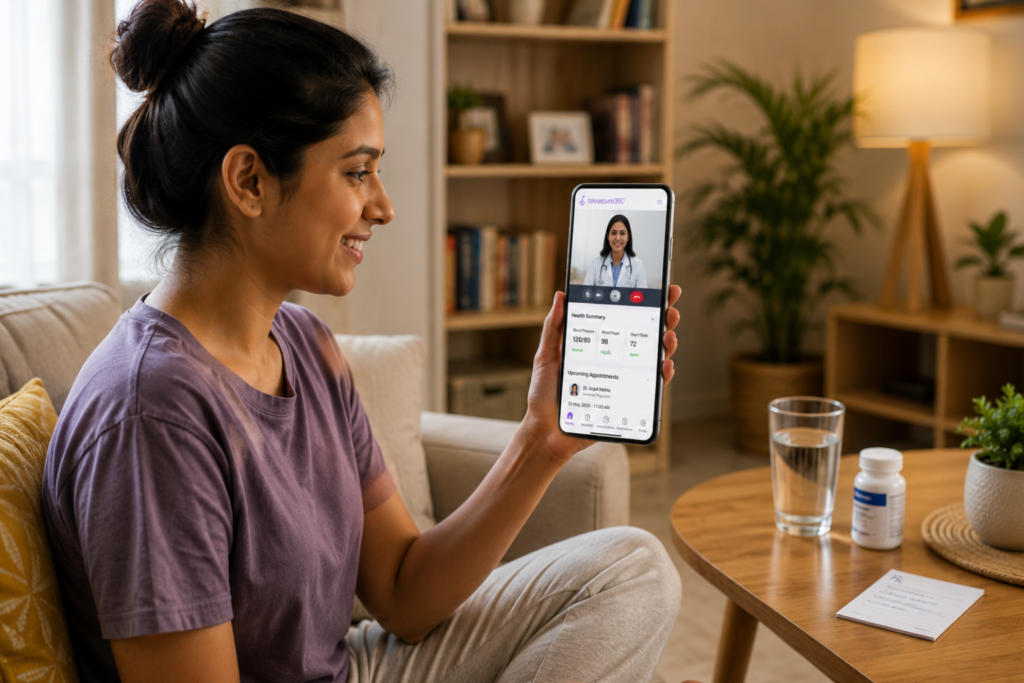
Patients want to message their doctor the way they message everyone else — easily and quickly. Your white label platform should support:
- Asynchronous secure chat (not just video)
- File and image sharing (for wound photos, lab results, etc.)
- Automated appointment reminders
- Prescription renewal request workflows
4. Remote Patient Monitoring (RPM)
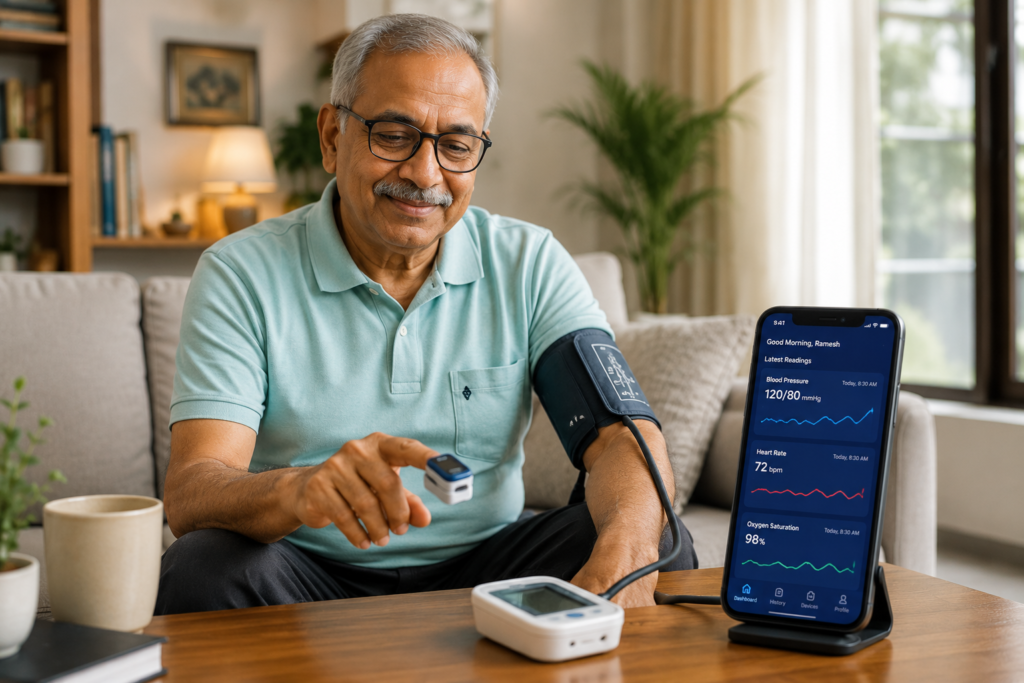
RPM is one of the fastest-growing segments in telehealth. Platforms that support connected health devices — blood pressure monitors, glucometers, pulse oximeters — allow providers to track high-risk patients between visits. For chronic disease management, RPM isn’t a nice-to-have anymore; it’s a clinical necessity.
5. EHR and Practice Management Integration
Your telemedicine platform cannot live in a silo. The best white label solutions in 2026 integrate with major EHR systems (Epic, Athenahealth, eClinicalWorks, etc.) so that telehealth visits, notes, and prescriptions flow directly into your existing records workflow.
6. Billing and Revenue Cycle Support
Telehealth billing has its own CPT codes and modifier requirements. A strong platform will either handle billing natively or integrate cleanly with your billing software — ensuring that every virtual visit gets reimbursed correctly.
7. Chronic Care Management (CCM) Tools
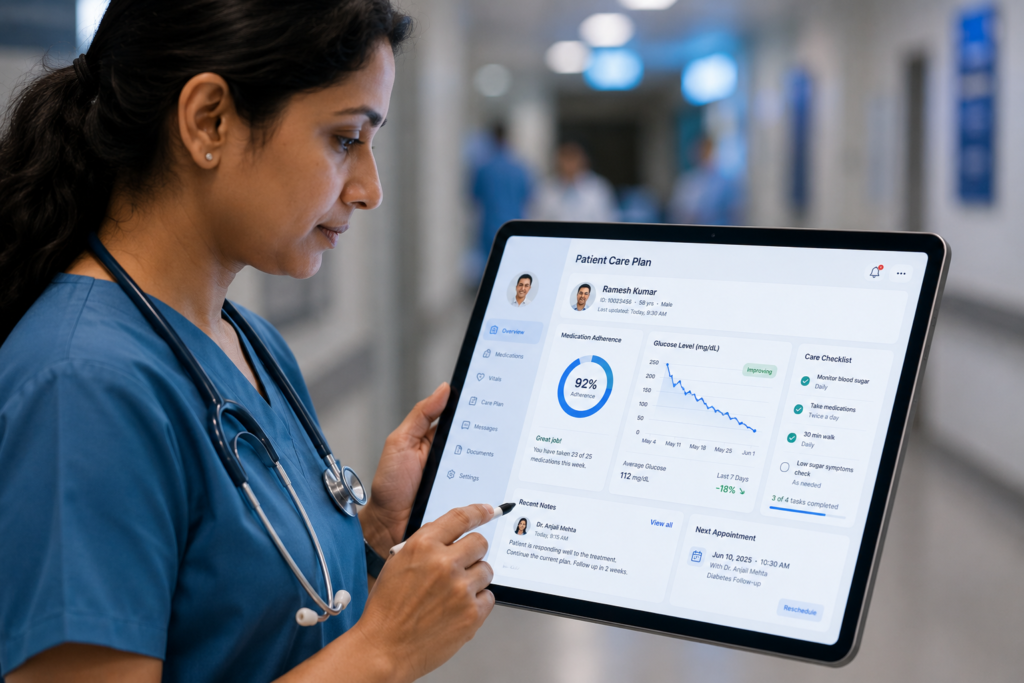
For practices managing high volumes of diabetic, cardiac, or respiratory patients, CCM features are critical. Look for:
- Care plan templates
- Patient task and medication tracking
- Automated check-in prompts
- Patient health data dashboards
TeleSecure360: Built for How Healthcare Actually Works
Among the platforms I’ve evaluated this year, TeleSecure360 earns a strong recommendation for practices that take chronic care and patient engagement seriously. Here’s why.
A Virtual Practice, Not Just a Video Call Tool
Most telehealth platforms give you a video link. TeleSecure360 gives healthcare professionals a complete Virtual Practice — a secure, HIPAA-compliant environment where they can consult patients online, monitor them remotely, and maintain a meaningful clinical relationship between in-person visits.
Through both web and mobile applications, healthcare professionals remain securely reachable to their patients 24/7 — on terms that don’t disrupt their hospital workflow or personal time.
Patient-Centered Design
TeleSecure360’s platform is built around a clear philosophy: put patient health information at the center of care. Patients can:
- Access their own personal health records
- Track their adherence to prescription schedules and dietary plans
- Participate actively in their care plans rather than being passive recipients
This matters clinically. Patients with chronic conditions who are engaged in their own care have measurably better outcomes. TeleSecure360 operationalizes that engagement through the platform’s interface.
Solving the Real-World Gaps in Healthcare Delivery

The team behind TeleSecure360 built this platform because they recognized a set of structural problems that no patient portal or social media group was solving:
- Experienced specialists are not always locally available — especially in rural or underserved areas
- Patients with chronic illnesses need support between clinic visits, not just during them
- Health data generated by wearables and sensors is useless without a qualified clinician to interpret it
- Social media and generic messaging apps are dangerous channels for discussing sensitive health information
TeleSecure360 fills that gap by giving both patients and providers a purpose-built, secure environment — one that’s appropriate for clinical communication, not just convenient.
White Label Telemedicine 2026: Comparison Snapshot
| Feature | Basic Platforms | Mid-Tier Platforms | TeleSecure360 |
| Custom Branding | Partial | Full | Full |
| Secure Video + Chat | ✅ | ✅ | ✅ |
| Mobile Apps (iOS/Android) | Limited | ✅ | ✅ |
| Remote Patient Monitoring | ❌ | Partial | ✅ |
| Chronic Care Management | ❌ | Limited | ✅ |
| Patient Health Data Access | ❌ | Limited | ✅ |
| EHR Integration | Limited | ✅ | ✅ |
| HIPAA + BAA | ✅ | ✅ | ✅ |
Zero-Click Answer: What Is the Best White Label Telemedicine Platform in 2026?
The best white label telemedicine platform in 2026 is one that combines full custom branding, HIPAA-compliant video and messaging, remote patient monitoring, and chronic care management tools — all in a single integrated system. TeleSecure360 meets all of these criteria, with a particular strength in connecting doctors and patients for ongoing chronic disease management through web and mobile apps. For practices prioritizing patient engagement and remote monitoring, it represents one of the most complete solutions available.
Common Mistakes to Avoid When Choosing a White Label Telemedicine Platform

1. Choosing price over compliance. A cheaper platform that cuts corners on HIPAA compliance is a liability, not a bargain. One breach can cost more than the platform savings across five years.
2. Ignoring patient UX. Your clinical staff may love the admin dashboard, but if patients find the app confusing, adoption will tank. Always evaluate the patient-facing interface separately.
3. Underestimating integration complexity. “EHR integration” can mean anything from a full bidirectional API to a manual CSV export. Clarify the technical depth before signing any contract.
4. Choosing a general video platform over a healthcare-specific one. Zoom and similar tools are not telehealth platforms. They lack clinical workflows, RPM support, care plan management, and most of the features that make virtual care clinically useful.
5. Not planning for chronic care volume. If even 20% of your patients have chronic conditions, you need a platform built for ongoing monitoring — not just one-time video visits.
Frequently Asked Questions (FAQ)
What does “white label telemedicine” mean?
White label telemedicine is a telehealth platform developed by a technology vendor but fully branded under your practice’s name and identity. You get a complete, HIPAA-compliant virtual care solution — with your logo, domain, and branding — without building the software yourself. It’s the fastest way for healthcare providers to launch a professional telehealth service in 2026.
Is white label telemedicine HIPAA compliant?
The best white label telemedicine platforms are fully HIPAA compliant and will sign a Business Associate Agreement (BAA) with your practice. This includes end-to-end encryption, access controls, and audit logging. Always verify BAA availability before committing to any vendor.
How much does a white label telemedicine platform cost in 2026?
Pricing varies widely — from around $200/month for basic platforms to $1,000+ per month for enterprise-grade solutions with RPM, CCM, and EHR integrations. Most vendors offer per-provider or per-patient pricing models. Request a detailed quote based on your patient volume and feature requirements.
Can white label telemedicine platforms support chronic disease management?
Yes — and this is one of the most important features to evaluate. Platforms like TeleSecure360 are specifically designed to support chronic care management with remote monitoring, care plan tracking, medication adherence tools, and ongoing patient communication — all within a secure, compliant environment.
What’s the difference between a white label telemedicine platform and a regular telehealth app?
A generic telehealth app is branded to the vendor — your patients see their logo and interface. A white label platform is fully rebranded as your own, giving your practice a professional, proprietary-looking digital presence. White label solutions also typically include more clinical features (RPM, CCM, EHR integration) than consumer telehealth apps.
How quickly can I launch a white label telemedicine platform?
Most white label telehealth vendors can have your branded platform live within 2–6 weeks, depending on the level of customization and EHR integration required. Platforms with modular setup processes and dedicated onboarding support — like TeleSecure360 — can significantly reduce that timeline.
Conclusion
The best white label telemedicine 2026 platforms aren’t just video call tools — they’re complete digital clinical environments that extend your practice beyond its four walls, keep patients engaged between visits, and give providers the data they need to manage complex, chronic conditions effectively.
If your practice is ready to move beyond reactive, episodic care and build a model that genuinely supports patients where and when they need it, a white label telemedicine solution is your fastest path forward.
TeleSecure360 is built on exactly that premise: enabling healthcare professionals to be securely reachable, keeping patients informed and engaged, and putting health data where it belongs — at the center of clinical decision-making.
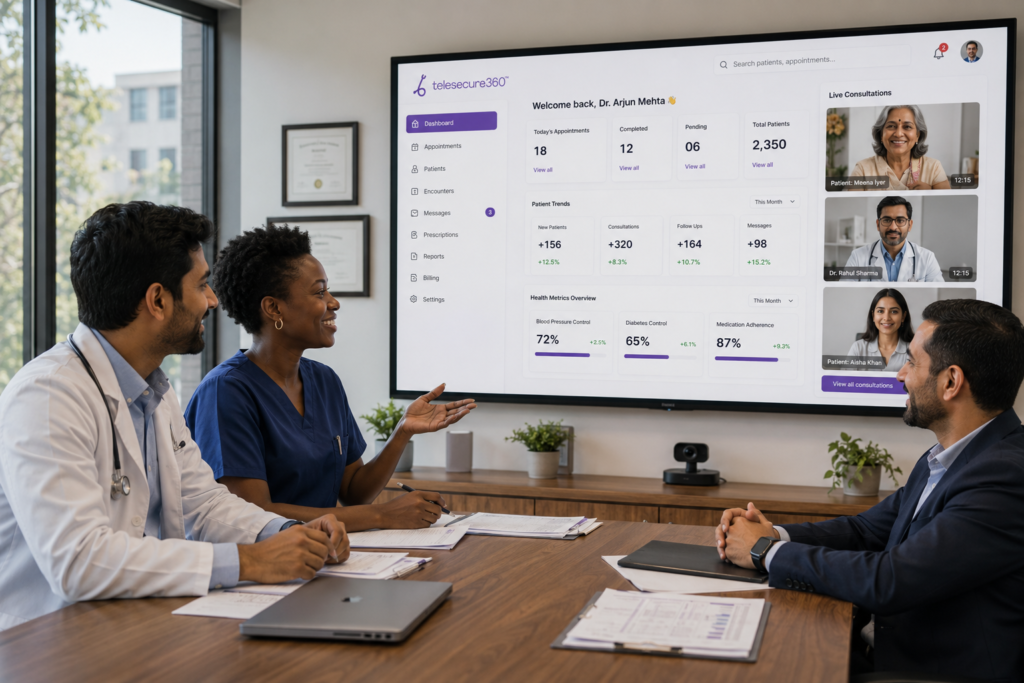
Ready to see how TeleSecure360 can work for your practice? [Schedule a demo today] and find out how a purpose-built virtual practice can transform the way you deliver care.
