

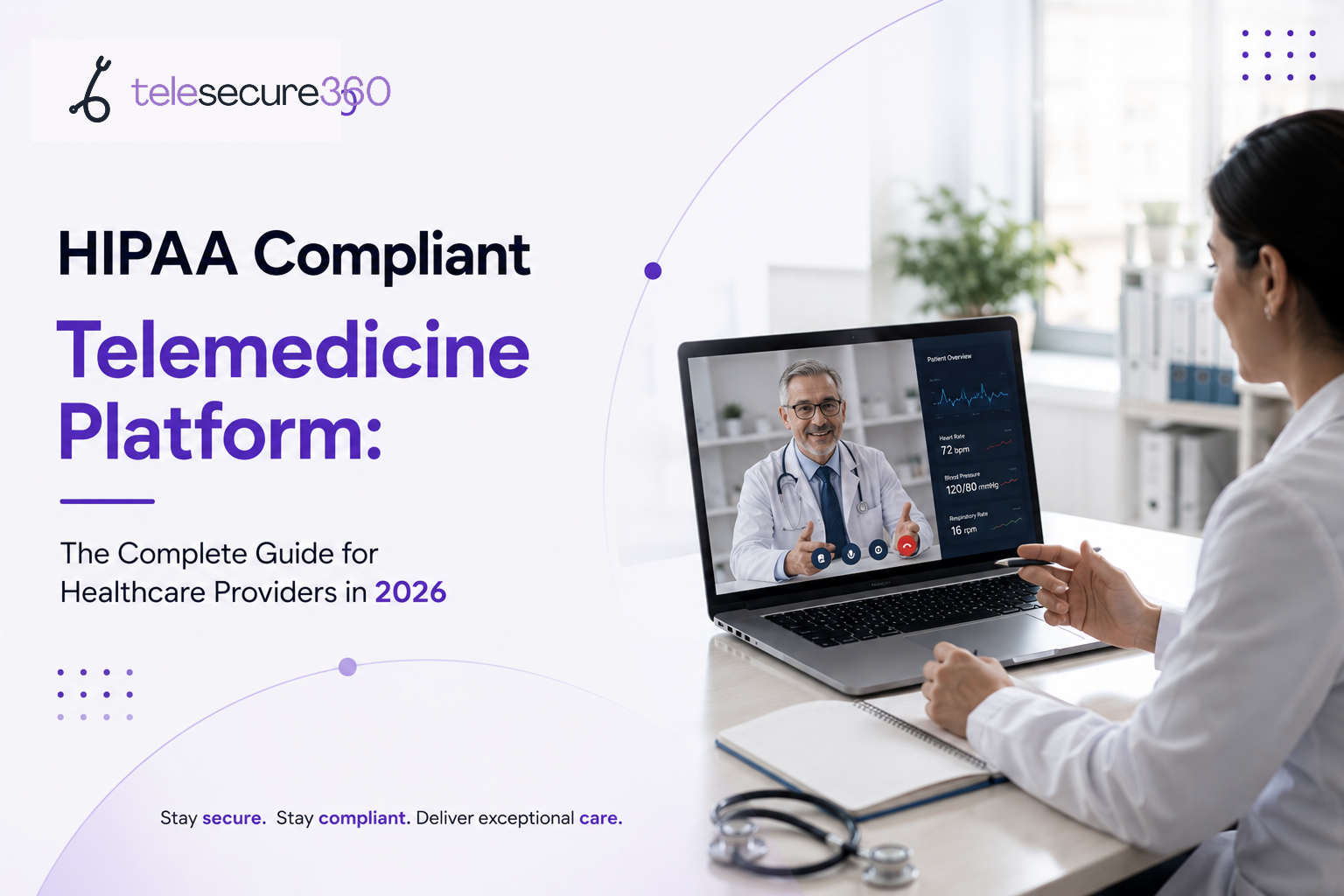
Introduction: Why Your Telemedicine Platform Must Be HIPAA Compliant
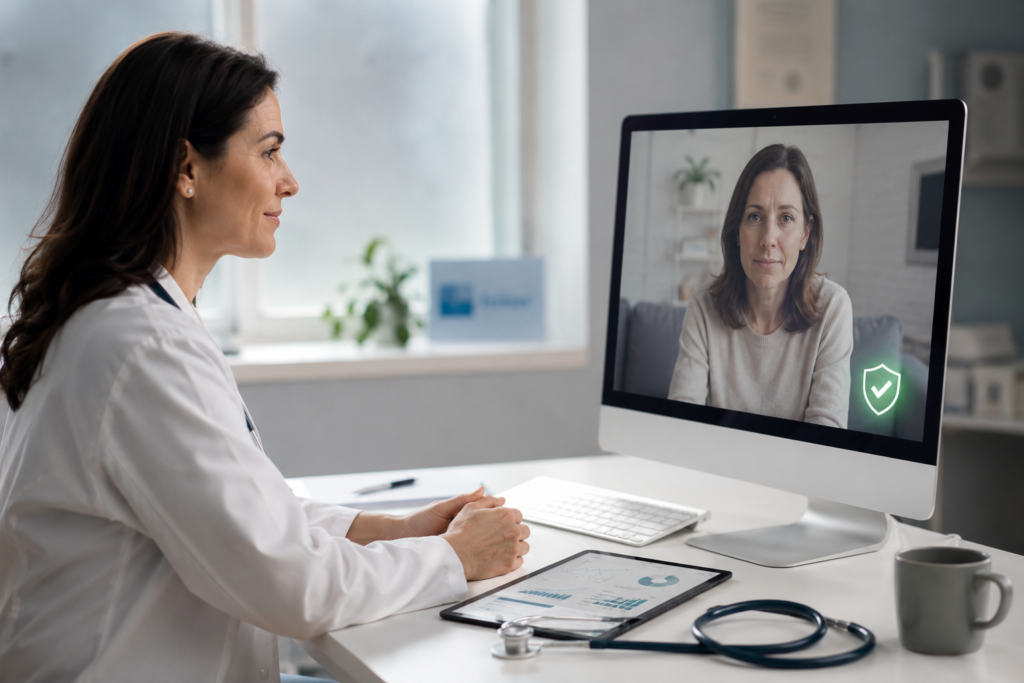
Choosing the right HIPAA compliant telemedicine platform is no longer optional for healthcare providers — it’s a legal and ethical obligation. As telehealth adoption continues to surge, the risks of using non-compliant tools have become very real. A single data breach involving Protected Health Information (PHI) can cost a practice anywhere between $100 and $50,000 per violation under HIPAA enforcement guidelines.
With platforms like TeleSecure360, healthcare professionals can now deliver virtual care through a purpose-built, fully compliant infrastructure — without compromising clinical quality or patient trust. Whether you are managing chronic disease patients, conducting follow-up consultations, or running a multi-specialty virtual practice, the right platform makes all the difference.
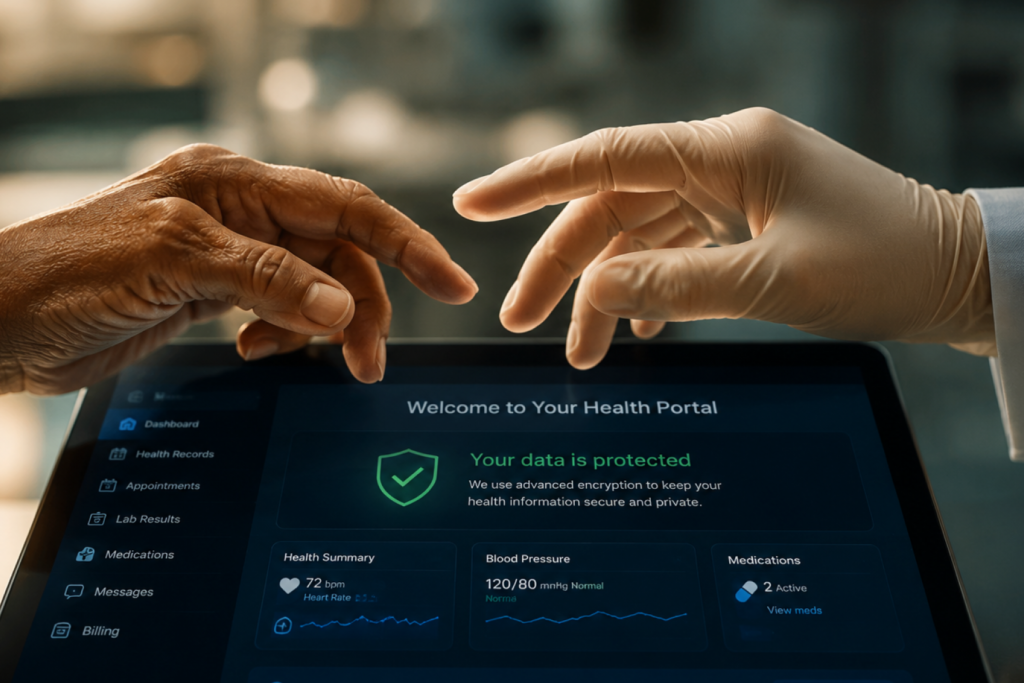
This guide walks you through everything you need to know about HIPAA compliant telehealth — what it means, what to look for, and how TeleSecure360 delivers on every front.
What Does “HIPAA Compliant Telemedicine” Actually Mean?
HIPAA (Health Insurance Portability and Accountability Act) compliance in telemedicine refers to a platform’s ability to collect, store, transmit, and display Protected Health Information (PHI) in ways that meet the standards set by the U.S. Department of Health and Human Services (HHS).
For a telemedicine platform to be genuinely HIPAA compliant, it must satisfy three core rules:

1. The Privacy Rule — controls who can access PHI and under what conditions.
2. The Security Rule — mandates administrative, physical, and technical safeguards for electronic PHI (ePHI).
3. The Breach Notification Rule — requires covered entities to notify patients and authorities if ePHI is compromised.
A truly compliant platform doesn’t just tick these boxes on paper. It operationalizes them across every touchpoint — from the login screen to the video call, from prescription notes to billing records.
The Hidden Risks of Non-Compliant Telehealth Tools
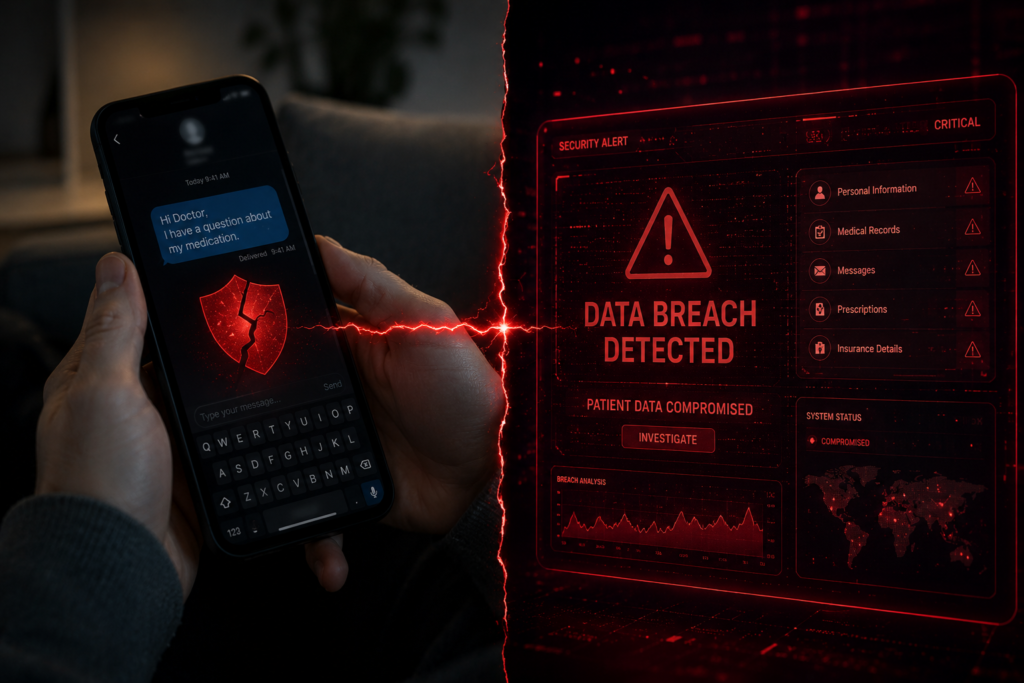
Many healthcare providers, particularly smaller practices, made a critical mistake during the pandemic rush to telemedicine — they adopted consumer-grade tools like Zoom (personal version), WhatsApp, or standard email to consult with patients. While these tools work for general communication, they are fundamentally inappropriate for healthcare interactions.
Here’s why that matters:
- Consumer platforms do not sign Business Associate Agreements (BAAs), which is a mandatory HIPAA requirement
- Messages and call recordings on standard apps may be stored on servers outside healthcare compliance frameworks
- No audit trail means you cannot demonstrate compliance in the event of an investigation
- Patient data shared over social media or messaging apps is indefensible under HIPAA
The solution isn’t to avoid telehealth — it’s to use a platform specifically engineered for healthcare environments, like TeleSecure360.
TeleSecure360: A HIPAA Compliant Telemedicine Platform Built for Real Clinical Needs
TeleSecure360 was developed by a team deeply committed to transforming the way healthcare is accessed and delivered. The platform was not retrofitted from a general-purpose video tool — it was built from the ground up to meet the specific security, workflow, and compliance demands of healthcare professionals and their patients.
Virtual Practice for Healthcare Professionals
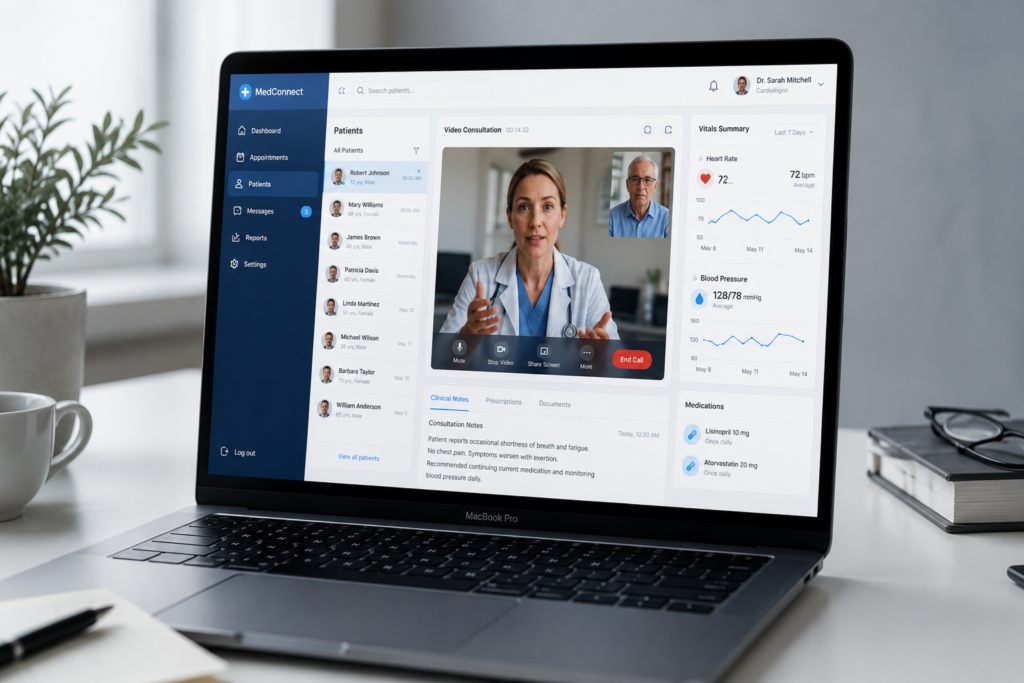
TeleSecure360 gives every enrolled healthcare provider access to a Virtual Practice — a secure, branded digital environment accessible through both web and mobile applications. This means:
- Physicians can be securely reachable to patients without sharing personal contact details
- Consultations happen within an encrypted, HIPAA-protected environment
- Clinical notes, prescriptions, and follow-up care plans stay within the platform
The platform directly addresses one of the most persistent problems in modern healthcare: experienced healthcare professionals are not always locally available. TeleSecure360 removes geography as a barrier, allowing specialists to serve patients in underserved regions without compromising compliance.
Remote Patient Monitoring with PHI at the Center
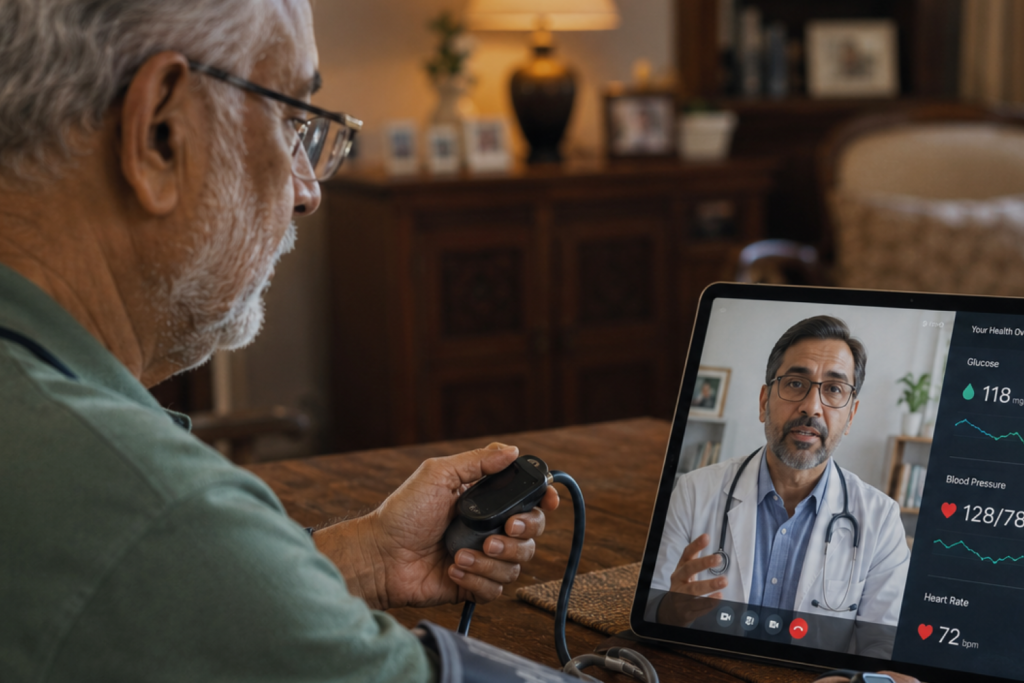
One of TeleSecure360’s most clinically significant capabilities is its approach to chronic care management. The platform puts patient health information at the center of every care interaction — not as a data field, but as the foundation of ongoing clinical decision-making.
Patients with chronic conditions — diabetes, hypertension, heart disease — require consistent monitoring between clinic visits. TeleSecure360 enables healthcare professionals to:
- Review patient-submitted health data (blood pressure readings, glucose levels, weight)
- Set automated alerts for critical value thresholds
- Adjust prescriptions and care plans in real time, within a compliant messaging environment
- Maintain a complete, timestamped record of every clinical interaction
This is the model of care chronic disease management demands — and it only works safely within a HIPAA compliant telemedicine platform.
Key HIPAA Compliance Features to Look for in Any Telemedicine Platform
Before selecting any telemedicine solution, every healthcare provider should verify the following features are present and functional:
End-to-End Encrypted Video Consultations
All video calls must use encryption in transit and at rest. This prevents interception of audio, video, or shared documents during a consultation.
Business Associate Agreement (BAA)
Any vendor handling PHI on your behalf must sign a BAA. Without it, they are not considered a compliant business associate under HIPAA — and you bear the liability.
Role-Based Access Controls (RBAC)
Not every staff member needs access to every patient record. RBAC ensures administrative staff, nurses, and physicians each have appropriate, limited access.
Audit Logs and Activity Tracking
A HIPAA compliant platform must maintain detailed logs of who accessed what data, when, and from where. This is non-negotiable for compliance audits.
Secure Patient Portal
Patients should be able to access their own health records, test results, and care plans through a secure, authenticated portal — without relying on email attachments or printed summaries.
Compliant Messaging
Internal messaging between providers and patient communications must occur within the platform — not through WhatsApp, standard SMS, or personal email.
TeleSecure360 incorporates all of these features natively, with no third-party add-ons required.
Why Patients Need a HIPAA Compliant Telemedicine Platform Too
The conversation around HIPAA compliance often focuses on providers. But patients have just as much at stake.
Modern patients are more engaged in their healthcare than ever. They use health sensors, track their own vitals, and seek health information online. But without the right infrastructure, this data remains siloed, misinterpreted, or — worse — shared over platforms that are fundamentally unsuitable for healthcare information.
TeleSecure360 directly addresses the core gaps in patient-centric care:
- Accessibility: Patients require healthcare providers to be accessible without disrupting clinic schedules or requiring long commutes
- Continuity: Managing prescription schedules, dietary adjustments, and routine changes is difficult without a connected digital tool
- Complexity: Patient needs extend far beyond the annual check-up — they need ongoing support that a compliant telehealth platform can facilitate
Critically, the platform makes clear that technology is not a replacement for real healthcare professionals. Health data without clinical interpretation is meaningless — and potentially dangerous. TeleSecure360 bridges that gap by keeping qualified professionals at the center of every patient interaction.
How TeleSecure360 Supports the Shift to Value-Based Care

The healthcare industry is moving from fee-for-service to value-based care models — and HIPAA compliant telemedicine platforms are central to that transition. Providers are increasingly being evaluated not just on the care they deliver during a visit, but on patient outcomes between visits.
TeleSecure360 supports this model by:
- Enabling proactive outreach to high-risk patients before they deteriorate
- Facilitating care coordination among specialists without breaching patient privacy
- Providing data-driven insights that help clinicians adjust care plans with confidence
- Reducing unnecessary hospital readmissions through consistent remote monitoring
For practices managing populations of patients with chronic conditions, this capability isn’t a luxury — it’s a clinical and financial imperative.
Frequently Asked Questions About HIPAA Compliant Telemedicine
What makes a telemedicine platform HIPAA compliant?
A HIPAA compliant telemedicine platform must include end-to-end encryption for all communications, a signed Business Associate Agreement with covered entities, role-based access controls, detailed audit logs, and a secure patient portal for accessing PHI. The platform must also comply with the HIPAA Privacy Rule, Security Rule, and Breach Notification Rule across all functions.
Can I use Zoom or Google Meet for telemedicine?
The free versions of Zoom and Google Meet are not HIPAA compliant. Zoom offers a healthcare-specific plan with a BAA, but it lacks the integrated clinical features — like prescription management, secure messaging, and remote monitoring — that a purpose-built platform like TeleSecure360 provides.
Is TeleSecure360 suitable for chronic disease management?
Yes. TeleSecure360 was specifically designed to support chronic care management by enabling remote patient monitoring, secure provider-patient communication, and centralized health data management. It places patient health information at the center of care, allowing clinicians to monitor and adjust care plans between visits.
What is a Business Associate Agreement (BAA) and why does it matter?
A BAA is a legally binding contract between a healthcare provider and a vendor that handles PHI on their behalf. Under HIPAA, any vendor without a signed BAA is not considered a compliant business associate — meaning the provider bears full liability for any data breach involving that vendor’s platform.
How does HIPAA compliant telemedicine benefit rural or underserved patients?

HIPAA compliant telemedicine platforms like TeleSecure360 eliminate geographic barriers by enabling patients in rural or underserved areas to connect with experienced specialists remotely. This expands access to quality care while ensuring all interactions remain private, secure, and legally compliant.
Conclusion: The Right Platform Changes Everything
Telehealth is not a temporary trend — it is a permanent fixture of modern healthcare delivery. But the benefits of remote care can only be realized safely and sustainably on a HIPAA compliant telemedicine platform that puts patient security and clinical quality first.
TeleSecure360 was built with a clear mission: to enable healthcare professionals to manage their practice and stay connected with their patients online, while encouraging patients to take an active role in their own health. The result is a platform that doesn’t just check compliance boxes — it transforms the care experience for both providers and patients.
If your practice is evaluating telehealth solutions, the question isn’t whether to go digital. The question is whether your platform is built to protect the patients who trust you with their most sensitive information.
TeleSecure360 is that platform.
About TeleSecure360 TeleSecure360 is a digital platform designed to connect doctors and patients through a secure, HIPAA compliant virtual practice environment. Accessible via web and mobile, it enables online consultations, remote patient monitoring, and chronic care management — putting patient health information at the center of every clinical interaction.
